

Good shipping container storage ideas can be the difference between a container that quietly earns its keep for years and one that turns into a dark, cluttered mess nobody wants to dig through. A shipping container gives you serious square footage for the price, but that space only pays off if you actually organize it well. Toss everything in without a plan, and even a spacious 40ft unit starts to feel impossibly small within a few months.
The good news is that a handful of simple, low-cost changes make a massive difference. Most of the shipping container storage ideas below take an afternoon or less to set up, don’t require permanent modifications, and work whether you’re storing tools, business inventory, seasonal items, or an entire household’s worth of belongings during a move or renovation.
This guide walks through 15 practical storage ideas, covering layout, shelving, labeling, accessibility, and a few creative uses you might not have considered. Whether you just picked up a container or you’ve had one for years and it’s finally time to get it organized, there’s something here worth trying. By the end, you’ll have a full toolkit of shipping container storage ideas ready to put into practice this weekend.
Why a Little Planning Goes a Long Way
A shipping container is built with serious vertical space, standard units run 8’6″ tall, and high cube models add another full foot on top of that. Most people only use the bottom third of that height, which means a huge amount of usable storage space sits empty above eye level. Before you move a single box in, it’s worth spending ten minutes sketching a rough layout: where shelving will go, where a walkway needs to stay clear, and which zone will hold which category of items. That small bit of upfront planning is honestly the biggest factor separating a well-organized container from a chaotic one, and it’s the foundation every good shipping container storage idea builds on.
Layout and Access Ideas
1. Keep a Clear Walkway Down the Middle
One of the simplest shipping container storage ideas is also the most overlooked: leave a 2 to 3 foot walkway straight down the center rather than packing wall to wall. Without it, reaching anything toward the back means unloading half the container first. A clear path costs you a small amount of storage volume but saves enormous amounts of time and frustration every time you need something.
2. Put Frequently Used Items Near the Door
Items you reach for often, everyday tools, current inventory, or seasonal gear you’re actively using, should live in the first 8 to 10 feet nearest the entrance. Anything you only need once or twice a year, holiday decorations, archived files, off-season equipment, belongs toward the back where digging it out occasionally isn’t a big deal.
3. Divide the Container Into Zones
Breaking the interior into marked sections, front, middle, and back, or by category, tools, inventory, seasonal, gives every item a designated home. Simple tape lines on the floor are enough to define zones, and once the system is set, everyone using the container knows exactly where things belong. This zoning approach is one of the most repeated shipping container storage ideas across the industry for a good reason: it genuinely works, and it costs nothing to set up.
4. Add a Roll-Up Door for Sectioned Access
Standard end-doors mean you’re working through one single opening, which forces you to move through the whole container to reach different sections. If you’re setting up a new container specifically for organized storage, our 30ft Shipping Container with Three Roll-Up Doors solves this by giving you three separate access points along the unit, so each section can be reached directly instead of digging through a single entryway.
5. Plan Your Layout Before You Load Anything
It’s tempting to start moving boxes in right away, but the most effective shipping container storage ideas all start on paper first. Measure your space, decide roughly how many shelves and zones you’ll need, and sketch where heavy equipment versus small boxed items will go. Ten minutes of planning here regularly saves hours of re-organizing later once you realize the layout doesn’t actually work for how you access things.
Shelving and Storage Systems
6. Install Wall Shelving to Free Up Floor Space
Floor space in a container is valuable, so reserve it for large equipment and items that genuinely can’t go anywhere else. Everything smaller, hand tools, hardware, boxed inventory, should go up onto wall-mounted shelving instead. This alone often doubles the effective storage capacity of a container without adding a single square foot, and it’s consistently one of the highest-impact shipping container storage ideas you can implement in a single weekend.
7. Use Freestanding Metal Shelving for Flexibility
If you don’t want to permanently attach anything to the container walls, freestanding metal shelving units are a solid alternative. They’re durable, easy to reposition if your storage needs change, and the open, grated design keeps dirt and debris from building up underneath.
8. Try Rolling Shelves for Maximum Flexibility
Shelving units on locking casters let you reconfigure your layout any time your storage needs shift, without any tools or permanent changes. This is especially useful in a container that serves double duty, say, storage most of the year and workshop space during a specific season.
9. Add a Pegboard for Tools
A pegboard mounted to one wall is one of the fastest, cheapest shipping container storage ideas on this list. Hang hooks for hammers, wrenches, and other hand tools, and everything stays visible and easy to grab, rather than buried in a drawer or bin.
10. Use Magnetic Hooks for Lightweight Items
Magnetic hooks stick directly to a container’s steel walls or ceiling with no drilling required, making them a fast way to hang lightweight items like extension cords, small tools, or garment bags while keeping the floor completely clear underneath.
11. Use the Back of the Door for Extra Storage
The inside of a container’s doors is one of the most commonly wasted spaces. A slim hanging organizer or a few mounted hooks turns that unused surface into a home for smaller frequently-used items, like gloves, flashlights, or a broom, without taking up any of your actual floor or shelf space.
Labeling and Inventory Systems
12. Label Every Box and Zone Clearly
A consistent labeling system is what actually makes an organized container stay organized. Whether it’s a simple marker on cardboard or printed labels, marking contents clearly on the outside of every box means you never have to open three containers just to find one item. This is one of the simplest shipping container storage ideas to implement, and also one of the easiest to let slide over time, so it’s worth revisiting every few months.
13. Color-Code by Category or Room
If you’re using a container during a move or renovation, assigning a color to each room or category, blue for kitchen, red for bedroom, green for garage, makes it instantly obvious where everything is just by glancing at the boxes, without reading a single label.
14. Keep a Simple Inventory List
For business inventory or long-term storage, a basic written or digital inventory list saves hours of guessing later. Even a simple spreadsheet noting what’s in each zone prevents the common problem of forgetting exactly what you stored and where. Update it whenever anything is added or removed, since an outdated inventory list is often worse than having none at all.
15. Use Clear Storage Tubs Instead of Cardboard
Clear plastic tubs let you see contents at a glance without opening anything, and unlike cardboard, they hold up well against moisture and repeated handling over months or years of storage. Of all the shipping container storage ideas on this list, switching from cardboard to clear tubs is one of the easiest upgrades to make immediately, since it requires no new shelving or layout changes at all.
Practical Extras Worth Adding
Add Battery-Powered LED Lighting
Standard containers have no built-in lighting, which makes finding anything in the back difficult, especially early morning or after dark. Battery-powered LED lights require no wiring, are simple to install, and make a real difference in how usable the space feels day to day.
Keep a Dolly and Step Stool Onsite
With all that vertical storage space, a small step stool for reaching upper shelves and a dolly for moving heavier boxes should live permanently inside the container. It’s a small addition that saves real strain and time on every single visit.
Consider Ventilation for Long-Term Storage
Containers used for long-term storage benefit from basic ventilation to reduce humidity buildup, especially if you’re storing paper, fabric, or anything sensitive to moisture. Simple vent additions or occasionally airing out the space on dry days help prevent musty smells and condensation-related damage over time.
Creative Storage Uses Beyond the Basics
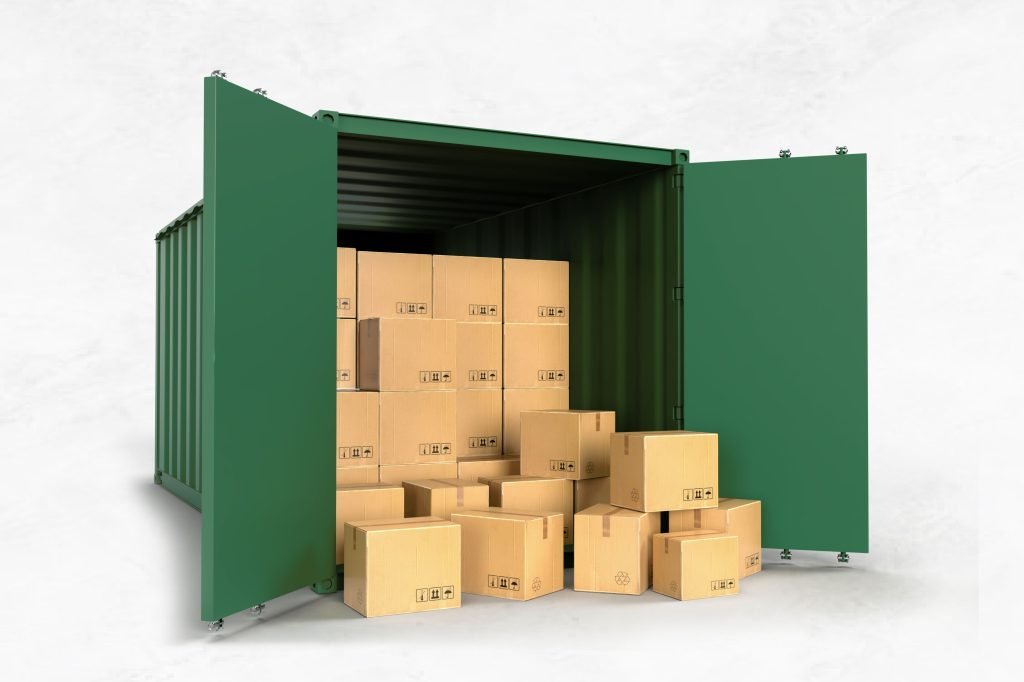
Once the organization basics are handled, a shipping container can take on some less obvious storage roles too. A properly sized unit works well as vehicle storage, a 20ft container comfortably fits a car, and larger units can handle two vehicles or oversized equipment like ATVs and trailers, all for a fraction of the cost of building a new garage. If you’re outfitting a container specifically as a workshop rather than pure storage, our Used Shipping Containers inventory includes several sizes suited to that dual-purpose setup, combining tool storage with workspace in one unit.
For business owners, a 40 Ft HC Shipping Container offers enough volume for organized retail inventory or archived files, while the extra foot of height in a high cube unit makes upper shelving noticeably more practical. And if you’re storing temperature-sensitive items, whether that’s inventory, food products, or equipment, a standard container isn’t the right tool for the job. Our Refrigerated Storage Containers (Reefers) are purpose-built for that instead, with active cooling rather than a DIY workaround.
If you’re still deciding what size fits your storage plans, our 20ft container category is a good starting point for most single-household or small business storage needs, striking a solid balance between capacity and manageable footprint.
Following general workplace organization and safety principles, like those outlined in OSHA’s material handling and storage guidelines, also applies well inside a container: keep heavier items low and near the floor, keep walkways clear at all times, and never stack loads high enough to become unstable.
Conclusion
The shipping container storage ideas in this guide all share the same underlying principle: give every item a clear, designated place, and make the things you need most often the easiest to reach. None of these upgrades require permanent modification or a big budget, a few shelves, some labels, a pegboard, and a clear walkway will transform a cluttered container into a genuinely efficient storage system. Whether you’re organizing a container shed, business inventory, or vehicle and workshop space, the same handful of habits, zoning, labeling, and using vertical space, make the biggest difference over time. Start with just two or three ideas from this list, and the rest tend to fall into place naturally as your system takes shape.
Frequently Asked Questions
What is the best way to organize a shipping container for storage?
Start by sketching a rough layout before moving anything in, keep a clear walkway down the middle, place frequently used items near the door, and add wall-mounted or freestanding shelving to make use of vertical space rather than relying only on the floor.
Can I add shelving to a shipping container without permanent modifications?
Yes. Freestanding metal shelving, rolling shelving units, and magnetic hooks all provide storage flexibility without drilling into or altering the container itself.
How do I keep track of what’s stored in my shipping container?
A simple written or digital inventory list paired with clear labeling on every box or bin is the most reliable system, especially for long-term or business storage where memory alone isn’t enough.
Is a shipping container a good option for storing a vehicle?
Yes, a 20ft container can comfortably fit a standard vehicle, and larger units can accommodate two vehicles or oversized equipment, making it a much more affordable option than building a new garage.
Do I need lighting inside a storage container?
It’s not required, but battery-powered LED lighting makes a significant difference in usability, especially for containers packed deep or accessed outside of daylight hours.
Do shipping containers need ventilation for long-term storage?
For most general storage, no, but if you’re storing paper, fabric, or moisture-sensitive items long-term, basic ventilation helps prevent humidity buildup and musty odors.

Leave a comment