
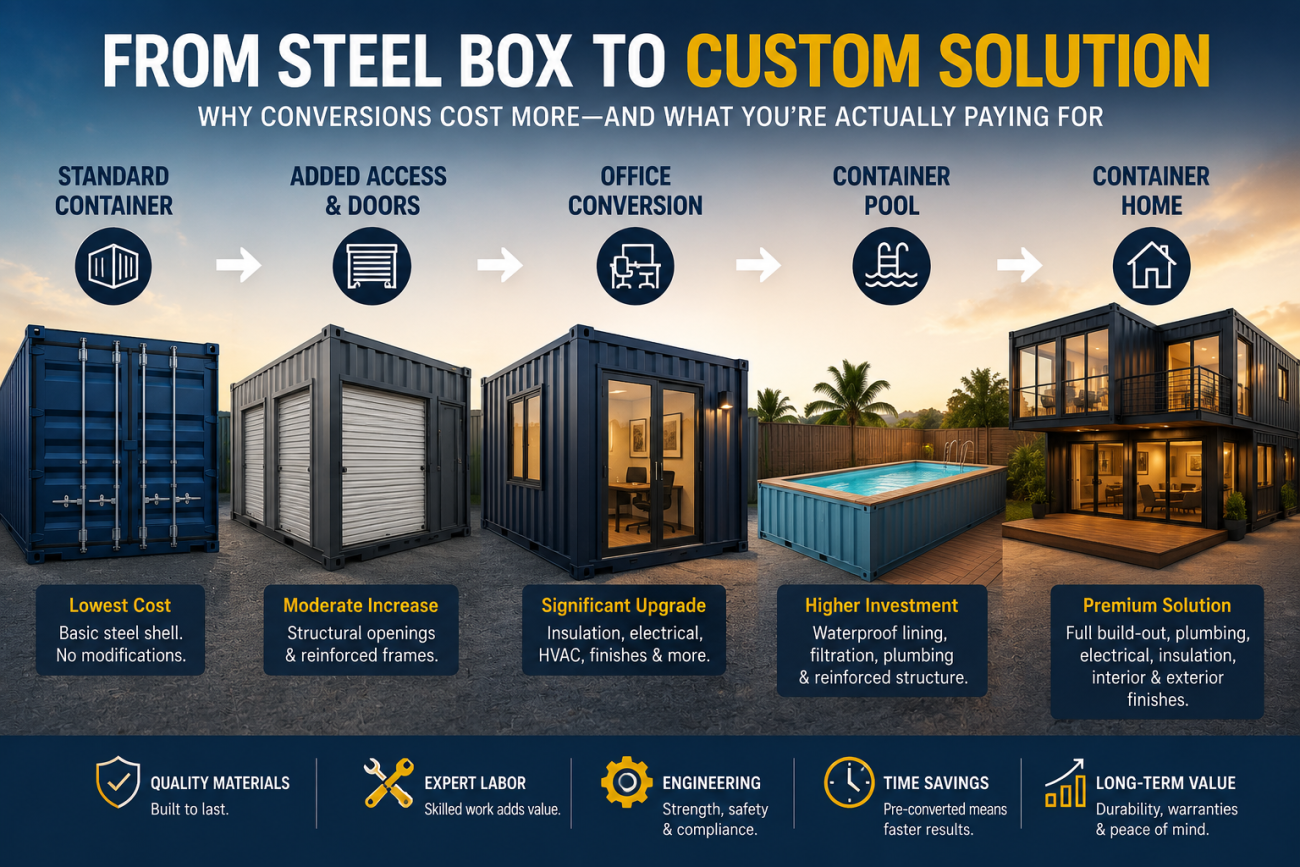
If you’ve compared a basic used shipping container against a converted one, like a container office or a container pool, the price difference probably looked confusing at first. A standard 20ft container might run a few thousand dollars, while a converted version of the same size can cost three, five, or even ten times that. That gap isn’t padding or markup for the sake of it. It reflects a completely different amount of labor, material, and engineering going into the final product.
Understanding where that extra cost actually goes matters, especially if you’re trying to decide whether a converted unit is worth it for your project or whether you’d be better off buying a standard container and handling modifications yourself. Once you break down what’s inside a real conversion, from insulation and electrical work to structural reinforcement, the price starts to make a lot more sense.
This guide uses real, current pricing from our own inventory to show exactly how cost climbs as a container moves from raw steel box to a finished pool, office, or home. Instead of generic percentages or rules of thumb, you’ll see actual dollar figures for actual products, so you can judge for yourself where the value is coming from.
Why a Standard Container Is the Cheapest Starting Point
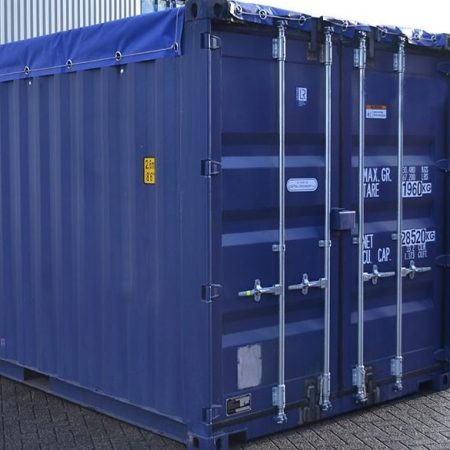
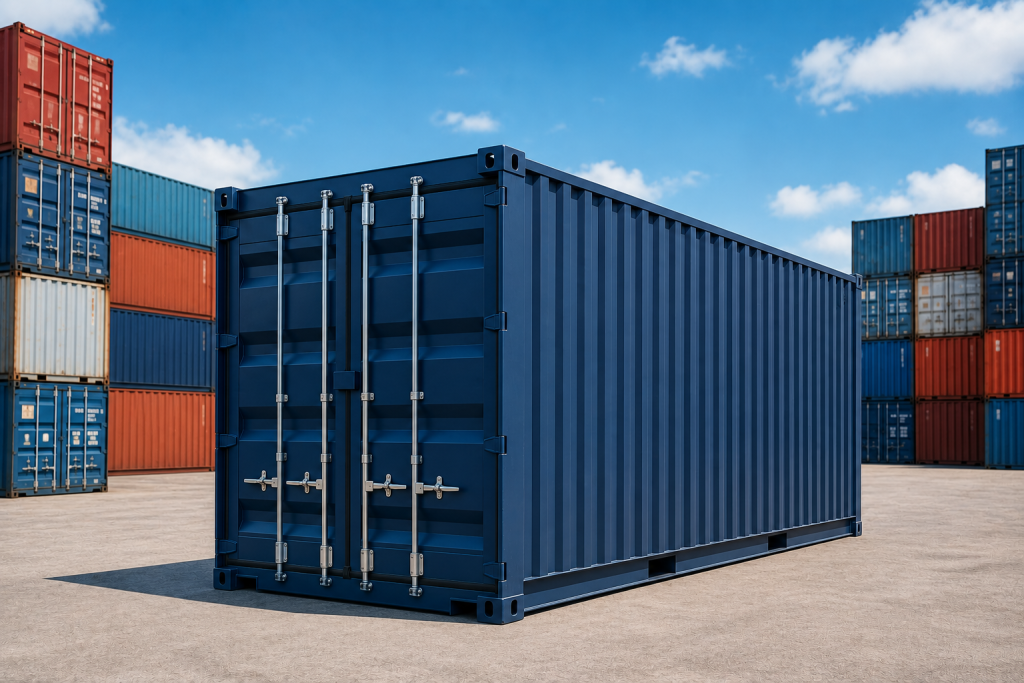
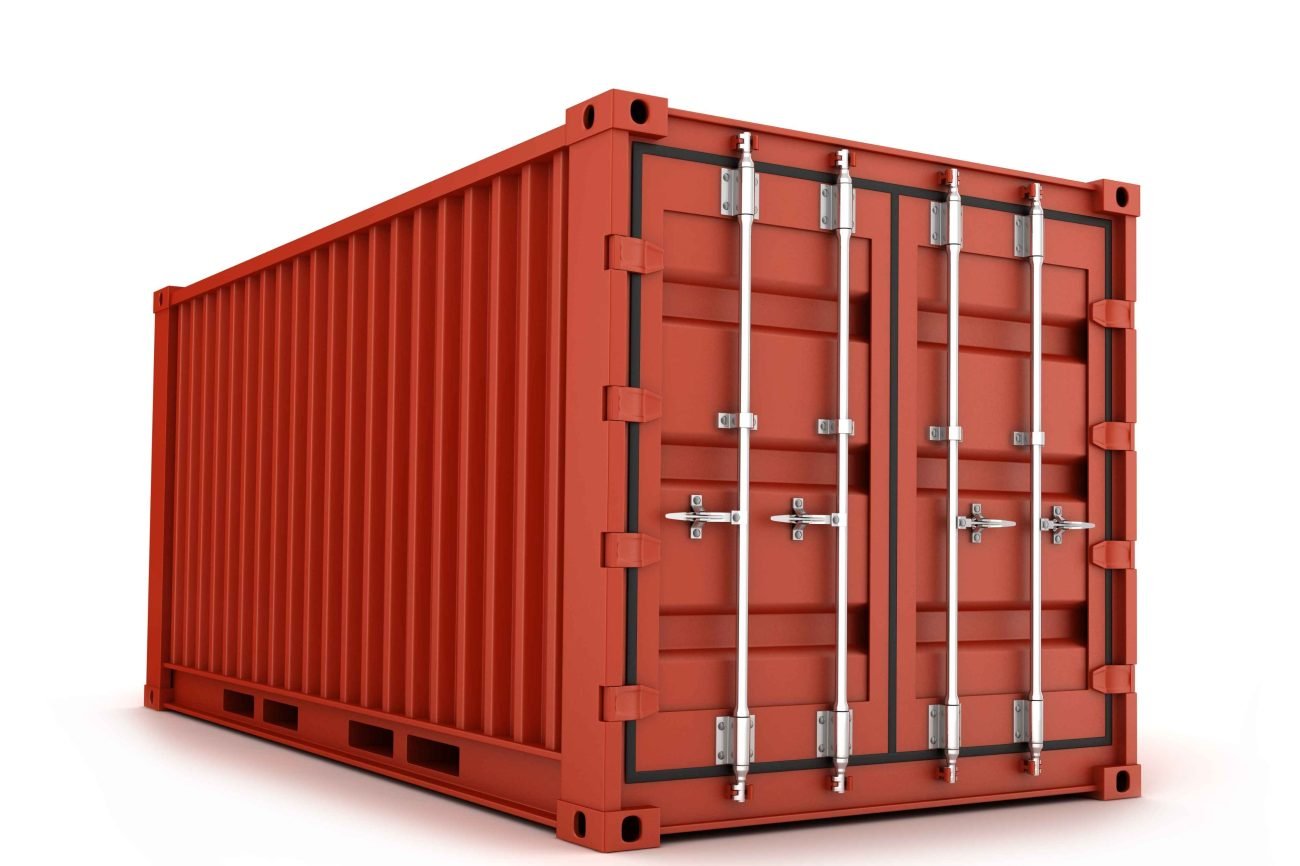
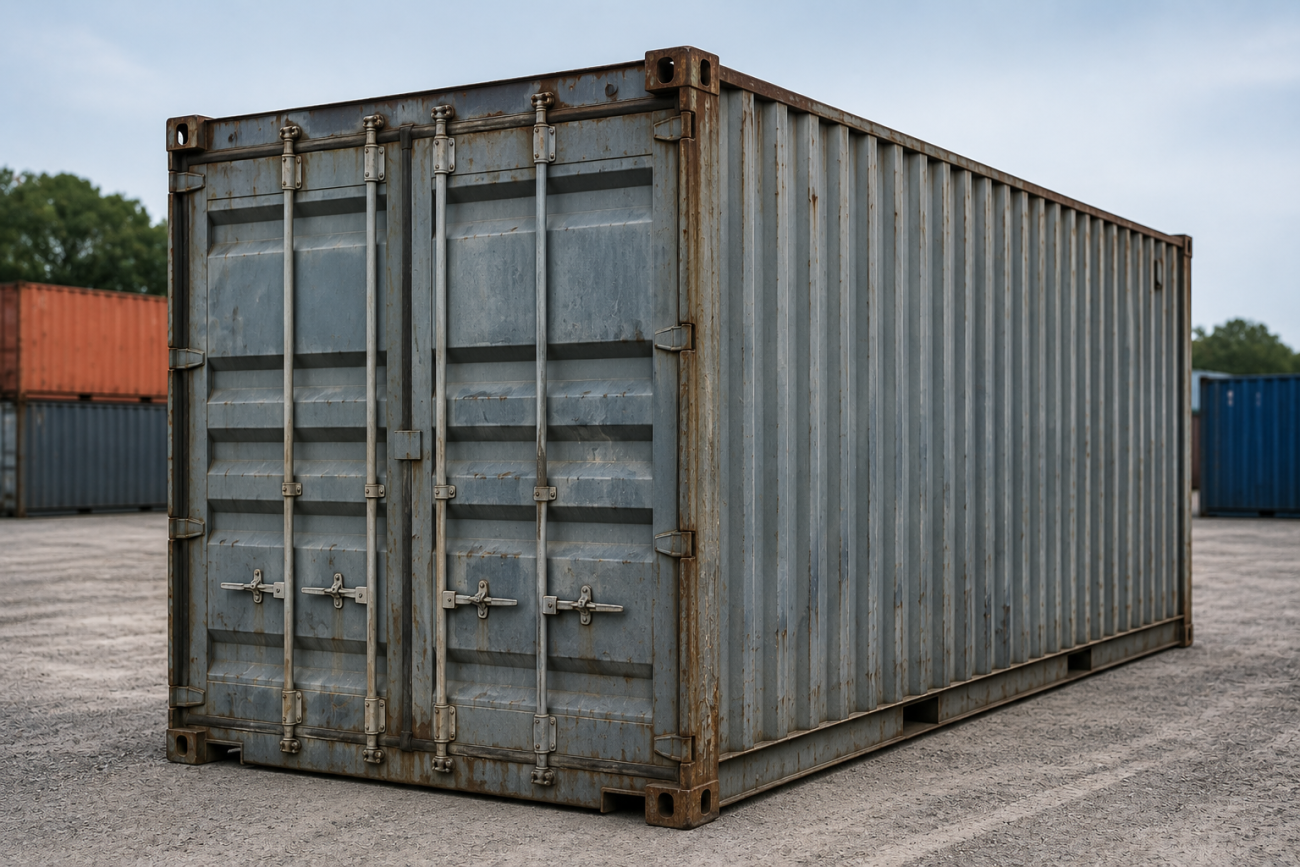
A basic used shipping container is, at its core, just a certified steel shell. No electrical work, no insulation, no custom openings beyond the standard doors it shipped with. That’s exactly why it’s the cheapest option on this list. Our 40ft Used Cargo-Worthy Dry Van, for example, is sold in this raw, unmodified state, structurally sound and guaranteed wind and watertight, but with no conversion work done to it.
This is the right starting point if your plan is to handle modifications yourself, or if you don’t need any modifications at all beyond basic weatherproof storage.
Why Adding Doors and Access Points Raises the Price Moderately
The next cost tier involves structural changes that don’t require a full interior build-out. Cutting in additional doors or access points means reinforcing the steel around each new opening so the container keeps its structural integrity, which takes real labor and welding work.
Our 30ft Shipping Container with Three Roll-Up Doors is priced at $3,000, noticeably more than a comparable unmodified 30ft unit, but still far below a full interior conversion. That price difference is almost entirely the cost of cutting, framing, and reinforcing three separate roll-up door openings along the container.
Why Full Office Conversions Cost Significantly More
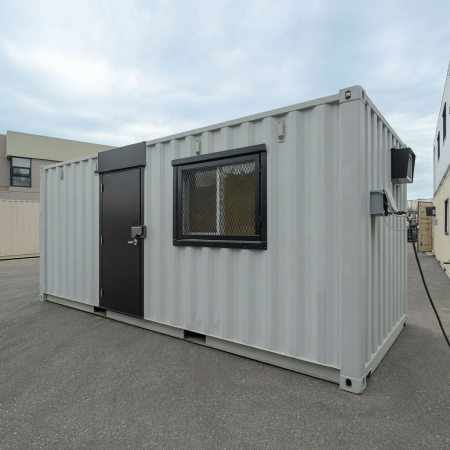
This is where the price jump becomes obvious, and where you can see exactly what you’re paying for. Our 10ft Shipping Container Office includes a full electrical package with a 100 amp service panel, interior LED lighting, an 18,500 BTU air conditioning and heating unit, 2lb spray foam insulation rated at R-10.5, interior framing and wall panels, multiple windows, and a steel entrance door. It also comes with a 10-year structural warranty and a 10-year no-leak warranty, with delivery to your zip code included in the price.
Every one of those features adds cost individually. Electrical work alone requires licensed labor and materials. Insulation and interior framing add both material and installation time. Climate control equipment adds hardware cost on top of the electrical work needed to run it. Add those together and it’s clear why a converted office unit costs meaningfully more than a bare container of the same size, even though the steel shell itself is the same starting point.
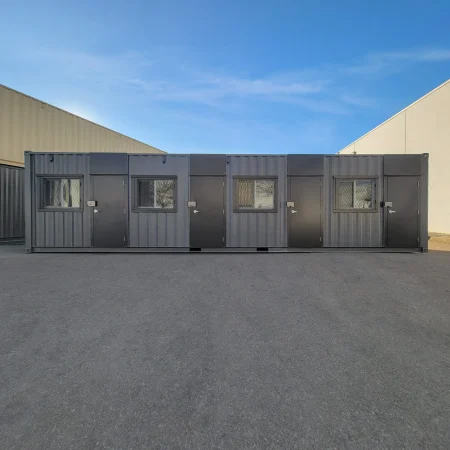
Larger conversions follow the same logic at a bigger scale. Our 20ft Custom Shipping Container Office is priced at $6,980, and our 40ft High Cube Office With One Side Door runs $5,800, both reflecting the added square footage and finishing work involved.
Why Container Pools Sit at a Higher Price Tier
A container pool involves a different kind of specialized work entirely. Beyond the steel shell, it needs a waterproof lining system, often fiberglass, designed to hold and circulate water safely, along with plumbing and filtration equipment integrated into the structure.
Our 6m/20ft Caribbean Blue Container Swimming Pool is priced between $17,075 and $40,045, with the range depending on depth, filtration setup, and finishing options. That’s a wide spread, but it reflects real variables. A deeper pool needs more structural reinforcement to handle the added water weight, and higher-end filtration systems cost more than basic setups. Even at the top of that range, it’s worth noting this typically still comes in below the cost and timeline of a comparable poured concrete in-ground pool.
Why Container Homes Represent the Highest Investment Tier
A full container home combines nearly every cost factor already mentioned, insulation, electrical, plumbing, interior framing, and finishing, at the largest scale on this list. Our 40Ft Living Container House is a single-level build with a bedroom, bathroom, living area, and private deck, representing a full residential-grade conversion.
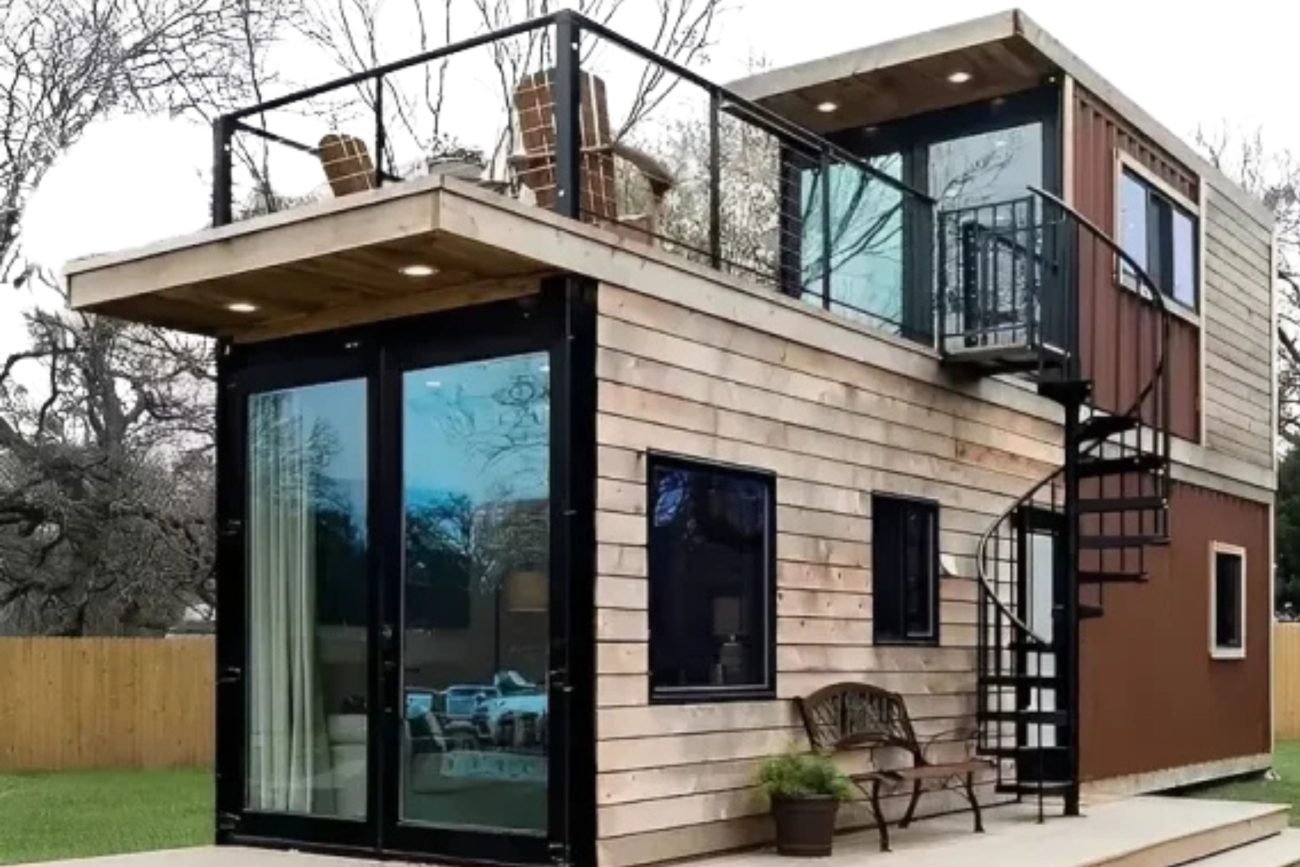
At the top end, our 2 Story Shipping Container Home With Rooftop is priced at $14,950, discounted from an original $20,000. The two-story design requires additional structural engineering to safely stack container units and support a rooftop deck, which explains why it sits above single-level container home pricing even before accounting for interior finishing.
How to Decide Which Cost Tier Makes Sense for You
- Start with your actual use case, not the price tag. A raw container is fine for storage. A business needing daily workspace needs an office-grade conversion.
- Add up what a DIY conversion would really cost. Electrical work, insulation, and plumbing all require materials and often licensed labor, so a pre-converted unit’s price may be closer to a self-build than it first appears.
- Factor in warranty coverage. A conversion that includes a structural and no-leak warranty, like our container offices, carries value beyond the physical build itself.
- Consider delivery and installation complexity. Larger, more complex conversions like pools and two-story homes have more involved delivery and setup requirements, which is usually reflected in the final price.
- Compare against the traditional alternative. A container office versus a stick-built structure, or a container pool versus poured concrete, is often the more useful comparison than comparing container products against each other.
Conclusion
The cost gap between a standard shipping container and a fully converted one comes down to exactly what’s been added: structural reinforcement for new openings, electrical systems, insulation, plumbing, and finishing work, each with its own material and labor cost. A raw container will always be the cheapest option because it’s the least amount of added work. Once you can see where that added cost is actually going, whether it’s a $3,000 access upgrade or a $40,000 pool build, it becomes much easier to judge whether a conversion is genuinely worth it for your specific project, rather than just comparing sticker prices.
Frequently Asked Questions
Why is a container office so much more expensive than a regular container?
The added cost comes from electrical systems, insulation, interior framing, climate control equipment, and often a structural and no-leak warranty, all of which require materials and labor beyond the base steel shell.
Is a container pool cheaper than a traditional in-ground pool?
In most cases, yes. Even at the higher end of container pool pricing, it typically comes in below the total cost and installation timeline of a comparable poured concrete pool.
Why does a two-story container home cost more than a single-story one?
Stacking container units safely requires additional structural engineering to support the upper level and any rooftop features, which adds engineering and material cost beyond a single-level build.
Is it cheaper to convert a container myself instead of buying a pre-converted one?
It can be, but only if you’re able to source materials and labor, including licensed electrical work, at a lower cost than what’s built into the price of a professionally converted unit. Once warranty coverage is factored in, the price gap often narrows.
What’s the cheapest way to get extra access without a full conversion?
Adding roll-up doors or additional openings, like our 30ft container with three roll-up doors, costs significantly less than a full interior conversion while still solving practical access problems.
Leave a comment