
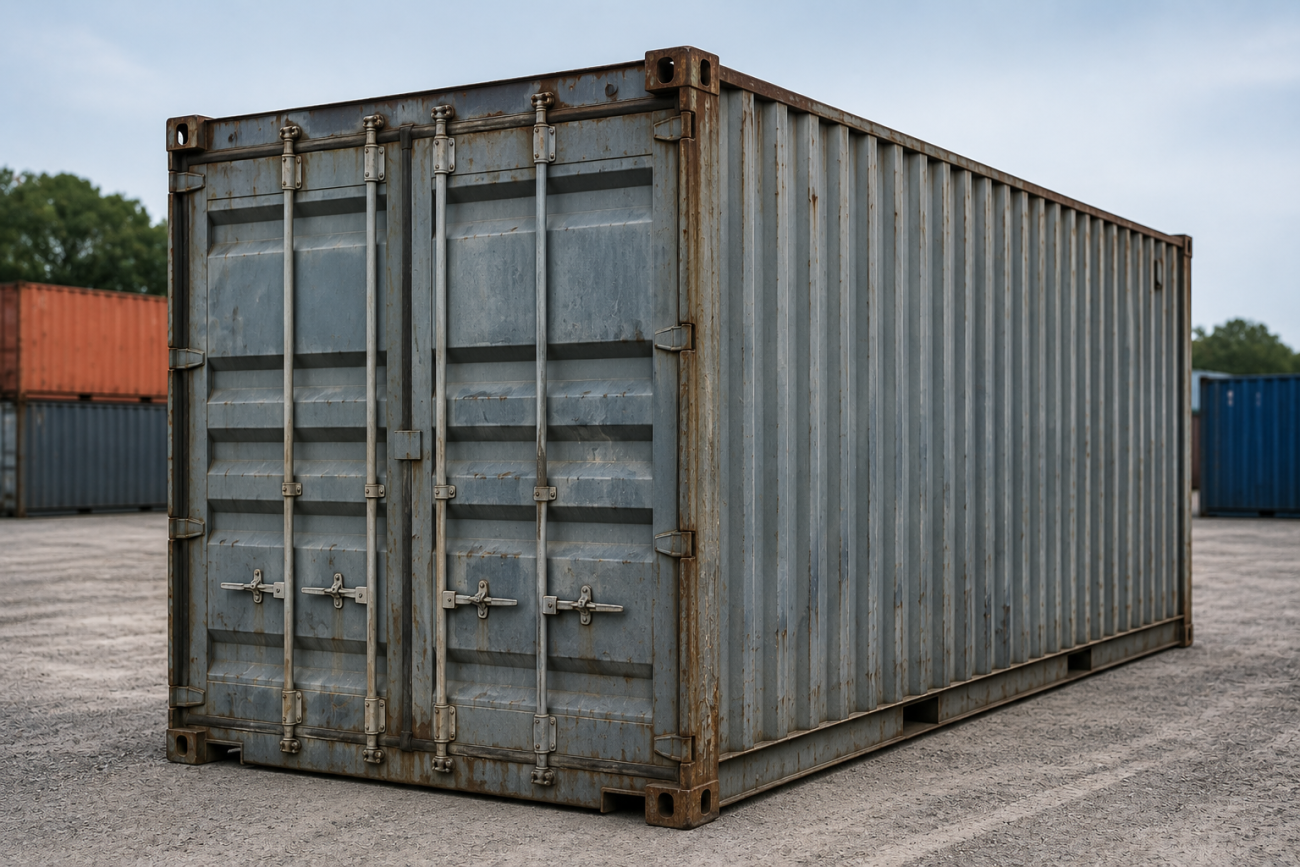
Searching for a used shipping container price usually leads to the same frustrating pattern: one site quotes $1,200, another quotes $4,000, and neither explains why. The honest answer is that “used” isn’t one price point at all. It’s a range that shifts based on size, structural condition, delivery distance, and whether the container is currently marked down. Without seeing real numbers and understanding what drives them, it’s almost impossible to know what a fair price actually looks like.
That’s exactly what this guide is built to fix. Instead of generic national averages, every price below comes directly from our current used container inventory, the same units available to buy right now. You’ll get a full breakdown of pricing by size and condition, delivery cost factors, hidden fees to watch for, regional price variation, and a direct comparison against buying new, so nothing is left out.
By the end of this guide, you’ll know roughly what to expect to pay for a used container in different sizes and conditions, why two similar-looking containers can carry different price tags, and exactly how to tell whether a quoted price is a fair one before you commit to buying.
Real Used Shipping Container Prices from Current Inventory
Here’s a direct look at actual used shipping container pricing from our used shipping container inventory as it stands today:
| Unit Type | Original Price | Current Price |
|---|---|---|
| Used container (compact) | — | $1,443 |
| Used container (standard) | $2,800 | $1,900 |
| Used container (standard) | $2,342 | $1,442 |
| Used container (larger) | $3,790 | $3,090 |
| Used container (larger) | $3,280 | $2,080 |
| Used container (standard) | — | $2,900 |
| Used container (standard) | — | $3,200 |
| 30ft used bulk container | — | $1,800 |
Several of these units are currently marked down from their original listed price, in some cases by close to $1,000. That’s worth paying attention to, since timing a purchase around active discounts can make a real difference in the final cost. Across this current inventory snapshot, used shipping container prices range from roughly $1,443 at the low end to around $3,790 at the high end before any active discount is applied.
Key Factors That Affect Used Container Pricing
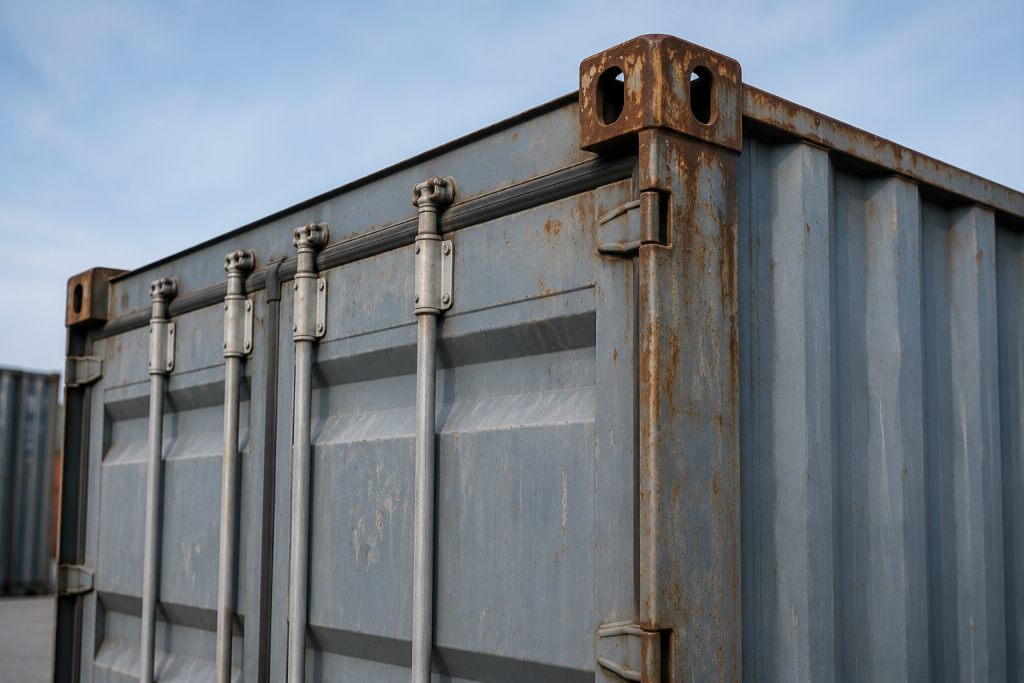
Container Size and Its Effect on Price
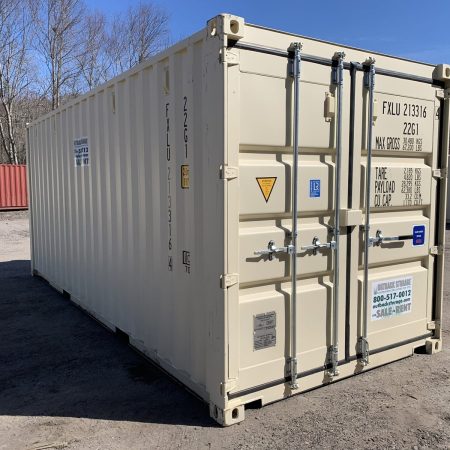
Smaller used containers naturally cost less than larger ones, simply because there’s less steel and less transport weight involved. Our 30Ft X 8Ft Used Shipping Container, priced at $1,800, shows how a mid-size used unit can still land on the lower end of the pricing range when it’s sold in bulk or as-is condition. As a general pattern, expect price to climb steadily as length increases, though condition grade often shifts the number more than size alone.
Condition Grades Explained: Cargo Worthy, Wind and Watertight, and As-Is
“Used” covers a wide spectrum, and this is where a lot of buyers get confused. Here’s what the standard condition grades actually mean, based on the ISBU shipping container conditions widely used across the industry:
- Cargo Worthy (CW): Certified structurally sound and still fit for international ocean shipping. This certification adds cost because it requires a formal inspection and documentation trail.
- Wind and Watertight (WWT): No longer certified for ocean freight, but fully sealed against weather. This is exactly what most storage buyers actually need, without paying for shipping certification they’ll never use. Our 10ft Used Shipping Container, Wind and Watertight, is a clear example of this grade.
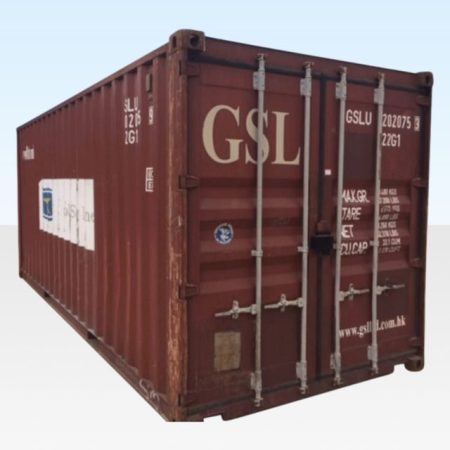
- As-Is: Sold exactly as it sits, cosmetic wear and sometimes minor structural wear included. This is the lowest-cost tier. Our 40 Ft HC Used Shipping Container, sold As-Is, reflects this pricing level, offering the lowest cost path to a 40ft footprint for buyers who plan to modify it or simply don’t need it to look pristine.
Certified Structural Grades and Their Added Value
If international shipping certification or guaranteed weatherproofing matters for your use case, expect to pay somewhat more. Our 40ft Used Cargo-Worthy Dry Van sits in this higher tier, offering a structurally certified, guaranteed wind and watertight unit rather than an unverified as-is container. That certification is worth the added cost if you plan to ship the container itself internationally, or if you simply want the assurance of a formal structural inspection backing your purchase.
Delivery Costs and Site Access Requirements
The container price you see listed is rarely the full cost once delivery is factored in, and delivery isn’t a flat fee across the board. A few specific factors drive this cost up or down:
Distance from the depot. A container sitting 20 minutes away costs far less to deliver than one traveling several hundred miles on a specialized flatbed or tilt-bed truck. This single factor can add anywhere from a couple hundred dollars to well over a thousand, depending on how far the unit has to travel.
Site access requirements. Delivery trucks need enough room to maneuver and lower the container safely. Tight driveways, low-hanging branches, or steep grades can require specialized equipment, like a HIAB crane truck, which typically costs more than a standard tilt-bed delivery but can place a container in spots a regular truck simply can’t reach.
Ground surface and stability. A flat, stable, paved or gravel surface makes for a straightforward delivery. Soft or uneven ground may require additional site prep before delivery, which is a cost worth planning for ahead of time rather than discovering on delivery day.
Whether delivery is bundled into the price. Some listings include delivery in the quoted price, others quote it separately once you provide a zip code. Always confirm which one you’re looking at before comparing two quotes side by side.
Regional Price Variation Across the U.S.
Used shipping container prices aren’t uniform across the country, and location plays a bigger role than most buyers expect. Coastal areas near major ports, such as Los Angeles, Houston, and the New York/New Jersey port complex, tend to have the largest container supply and correspondingly lower base prices, since containers don’t need to travel as far from where they’re unloaded. Inland and rural areas, further from port infrastructure, typically see higher prices once transport distance is factored into the total delivered cost.
If you’re located near a major port, it’s worth asking specifically whether that proximity is reflected in your quote, since it often results in meaningfully lower delivery costs than a quote for the same container heading further inland.
Hidden Costs to Budget For
Beyond the container price and delivery, a few smaller costs tend to catch first-time buyers off guard:
- Site preparation. Leveling ground or laying a gravel or paver base before delivery, if your site isn’t already flat and stable.
- Permits. Some municipalities require a permit for placing a container on your property, particularly for long-term or permanent placement. This varies significantly by city and county, so it’s worth a quick call to your local building department before delivery day.
- Locking hardware upgrades. Basic containers come with standard locking bar hardware. If you want a lockbox or additional security hardware, that’s typically a small add-on cost.
- Return or restocking fees. If you’re unsure about sizing, ask about the return policy before buying rather than after, since restocking fees on large steel structures are common industry-wide.
Used vs. New Containers: A Side-by-Side Cost Comparison
It helps to see the two options side by side rather than in the abstract:
| Factor | Used Container | New (One-Trip) Container |
|---|---|---|
| Starting price | Lower, from roughly $1,443 in current inventory | Higher, since it has no wear at all |
| Cosmetic condition | Varies by grade, from clean to visibly worn | Like-new, minimal wear from a single trip |
| Structural certification | Depends on grade (CW, WWT, As-Is) | Fully certified as new |
| Best for | Storage, budget-conscious buyers, modification projects | Permanent structures, resale value, appearance-sensitive projects |
Neither option is objectively better. It comes down to whether your project prioritizes cost savings or a like-new appearance with full certification.
Best Time of Year to Buy a Used Container
Demand for containers tends to rise during peak construction and moving seasons, typically spring through late summer, which can push prices slightly higher and reduce available discounts. Buying in the off-season, generally late fall through winter, often means better access to marked-down inventory, since demand eases and depots are more motivated to move existing stock. If your timeline is flexible, watching for seasonal discounts can meaningfully lower your final cost.
Tips for Getting a Fair Price on a Used Container
- Check whether the price includes delivery. A cheaper container with delivery billed separately can end up costing more than a slightly higher-priced one with delivery included.
- Ask for the specific condition grade, not just the word “used.” Cargo Worthy, Wind and Watertight, and As-Is all carry different price expectations for good reason.
- Look for active discounts before buying. Real inventory often includes units marked down several hundred dollars from their original price.
- Match the grade to your actual need. If you just need dry storage, paying for Cargo Worthy certification you’ll never use is money you don’t need to spend.
- Compare like-for-like sizes. A $1,443 compact unit and a $3,200 standard unit aren’t really competing prices, they’re different products serving different needs.
- Ask about site access before finalizing a quote. If your property has tight access, confirm delivery equipment needs upfront rather than after a truck shows up and can’t get in.
- Get warranty details in writing. Even used containers sometimes come with a structural or leak warranty. Confirm what’s covered before you buy, not after something goes wrong.
- Time your purchase around the off-season if possible. Late fall and winter often bring better pricing and more available discounts.
Conclusion
A used shipping container’s price depends on far more than size alone. Condition grade, delivery distance, site access, regional location, and current inventory discounts all move the final number, sometimes significantly. Real current pricing on our site ranges from $1,443 for compact used units up to around $3,790 for larger standard containers before discounts, with certified or specialty grades landing higher and as-is units landing lower. The most useful thing you can do before buying is confirm the exact condition grade, ask whether delivery is included, and factor in site access and seasonal timing, since these are the factors that explain most of the price difference between otherwise similar-looking listings.
Frequently Asked Questions
What is the cheapest a used shipping container typically costs?
Based on current inventory, compact used units start as low as $1,443, with several mid-size containers currently discounted into the $1,400 to $2,100 range.
Is a Wind and Watertight container a good value compared to Cargo Worthy?
For most storage purposes, yes. Wind and Watertight containers are fully sealed against weather at a lower price than Cargo Worthy units, which carry certification most buyers don’t actually need.
Why do some used containers show a discounted price?
Inventory pricing shifts based on stock levels and depot availability, which is why several used units on our site are currently marked down from their original listed price.
Does a used container price usually include delivery?
This varies by seller, so it’s worth confirming directly. Always ask for a delivered price to your zip code rather than comparing base container prices alone.
Is an As-Is container worth the lower price?
For buyers planning to modify the container or who don’t need it to look cosmetically perfect, yes. As-Is units offer the lowest entry price for a given size while remaining structurally usable.
Do I need a permit to place a used container on my property?
It depends on your local municipality. Some areas require a permit for long-term placement, so it’s worth checking with your local zoning or building department before delivery.
How much can delivery distance actually add to the total cost?
Delivery cost can range from a couple hundred dollars for a nearby depot to well over a thousand dollars for long-distance delivery, especially if specialized equipment like a crane truck is needed for site access.
Does location within the U.S. affect used container pricing?
Yes. Areas near major ports typically see lower base prices and delivery costs due to larger container supply, while inland and rural areas often see higher delivered costs due to longer transport distances.

Leave a comment