

Follow C-Solutions LLC On Instagram!
Shipping Container Buyers Guide: Everything You Need to Know
Purchasing a shipping container can be a significant investment, whether you need it for shipping, storage, or a custom project like a home or office. At C-Solutions LLC, we want to ensure that you make the best decision for your specific needs. This guide provides all the details you need to confidently choose the right container.
1. Determine Your Needs
Start by identifying why you need the container. This will help you narrow down your choices:
- Shipping: Do you need it for transporting goods domestically or internationally?
- Storage: Is it for temporary or long-term storage of equipment, furniture, or supplies?
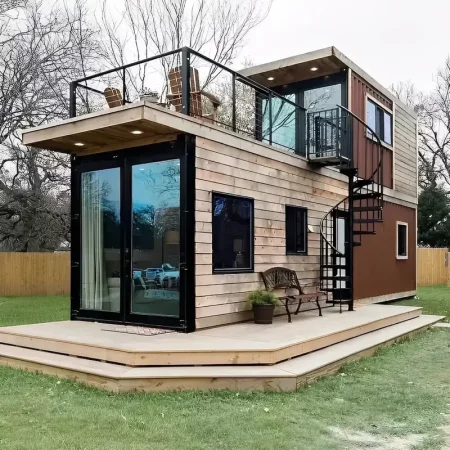
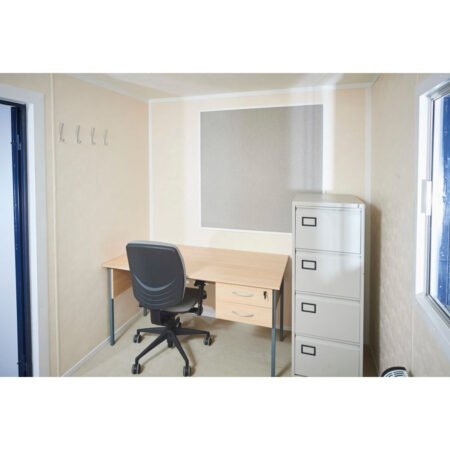
- Customization: Are you planning to convert it into a living or working space?
- Specialized Use: Do you need a refrigerated container or one for hazardous materials?
2. Decide on New vs. Used Containers
New Containers:
- Perfect for long-term use or projects where appearance matters.
- Typically in pristine condition, having been used only once (often called “one-trip containers”).
- Cost more but offer the best durability and longevity.
Used Containers:
- More affordable and eco-friendly.
- Often show signs of wear, such as minor rust or dents, but still functionally sound.
- Ideal for budget-conscious buyers or temporary uses.
3. Choose the Right Size
Shipping containers come in various sizes. Here are the most common options:
- 10ft Containers: Compact and portable, ideal for small spaces or limited storage.
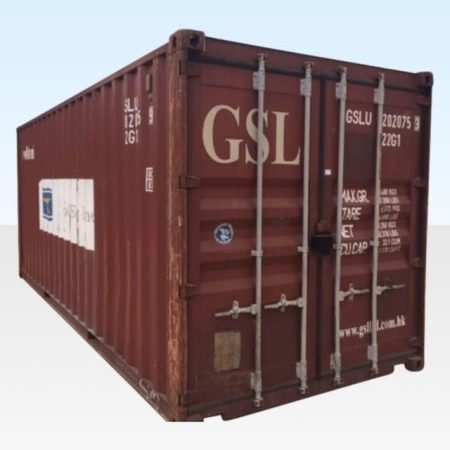
- 20ft Containers: The most popular size for storage and shipping; versatile and easy to transport.
- 40ft Containers: Great for large storage needs or transporting bulk goods.
- High Cube Containers: Provide an extra foot of height, perfect for tall equipment or added storage space.
Consider your available space and the volume of goods or equipment you plan to store.
4. Understand Container Conditions
When buying a container, familiarize yourself with the condition grading system:
- New (One-Trip): Like new, with minimal wear.
- Cargo-Worthy (CW): Certified for shipping; structurally sound and weatherproof.
- Wind and Watertight (WWT): Not certified for shipping but excellent for storage.
- As-Is: Sold in their current condition, may require repairs.
5. Inspect Before Purchase
If possible, inspect the container in person or request detailed photos/videos. Key things to check:
- Exterior: Look for dents, rust, or damage. Ensure the structure is intact.
- Doors and Seals: Ensure doors open and close properly, and seals are tight to prevent water entry.
- Flooring: Inspect the interior floor for signs of rot or damage.
- Roof: Check for any sagging or rust that could lead to leaks.
- Ventilation: Ensure proper airflow to prevent condensation inside the container.
6. Consider Customization Options
Shipping containers are highly versatile and can be modified to meet specific needs. Common modifications include:
- Doors & Windows: Adding roll-up doors, man doors, or glass windows.
- Insulation: Essential for temperature-sensitive goods or habitable spaces.
- Lighting & Electrical: Perfect for offices, workshops, or homes.
- Partitions: Creating separate sections within the container.
- Paint & Branding: Repainting or adding your company logo.
- Ventilation: Prevents moisture buildup for sensitive items.
7. Factor in Costs
The cost of a shipping container depends on several factors:
- Size and Type: Larger and specialized containers (like high cube or refrigerated) cost more.
- Condition: New containers are pricier than used ones.
- Modifications: Customizations will increase the overall cost.
- Delivery: The distance to your location impacts delivery fees.
At C-Solutions LLC, we offer competitive pricing, flat $450 delivery anywhere in the United States and free pickup from our Hutchins, TX yard.
8. Plan for Delivery
Make sure your site is prepared to receive the container:
- Space: Ensure there’s enough room for delivery trucks and the container itself.
- Surface: A flat, level surface like concrete, asphalt, or gravel is ideal.
- Access: Check for any obstacles like low-hanging wires or narrow entrances that could hinder delivery.
Our team can assist in coordinating delivery and ensuring a smooth drop-off.
9. Understand Maintenance and Longevity
Proper maintenance can extend the life of your container:
- Clean Regularly: Remove debris, dirt, and standing water.
- Check for Rust: Sand and repaint any areas showing rust.
- Inspect Seals and Doors: Ensure they remain functional and watertight.
- Keep It Elevated: Use blocks or supports to keep the container off the ground to prevent moisture buildup.
10. Work with a Trusted Supplier
Choosing the right supplier is just as important as choosing the right container. At C-Solutions LLC, we offer:
- High-quality products with a wide selection to meet diverse needs.
- Expertise and guidance to help you make informed decisions.
- Reliable delivery services for fast and secure transport.
- Transparent pricing with no hidden fees.
Conclusion
Buying a shipping container doesn’t have to be overwhelming. By following this guide, you can make an informed decision that aligns with your needs, budget, and goals. Whether you’re looking for a durable storage solution or a customized container for a unique project, C-Solutions LLC is here to help.
Contact us today to explore our inventory, request a quote, or discuss your requirements with one of our experts!